Hantavirus Concerns and What It Means for Guest Houses in Balangan Bali
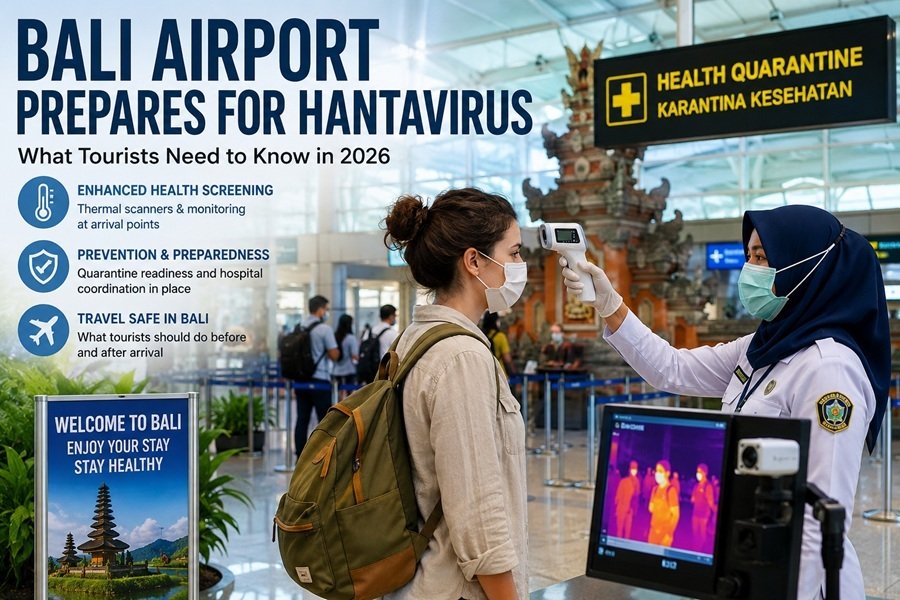
Tourism in Bali continues to grow in 2026, with areas such as Balangan becoming increasingly popular among surfers, digital nomads, and long-stay travelers looking for quieter accommodation away from the busiest tourism zones. Alongside the rise in international arrivals, health concerns occasionally become part of the conversation, including recent discussions surrounding hantavirus and regional airport health monitoring across Indonesia. For guest houses in Balangan, including properties such as Maha Lokha Balangan, the issue is less about panic and more about awareness, hygiene standards, and reassuring guests that Bali remains a safe destination when proper precautions are maintained.
Hantavirus is a virus primarily carried by rodents. Humans can become infected through exposure to rodent urine, droppings, or saliva, especially in enclosed or poorly maintained environments. While cases linked to tourism in Bali remain extremely rare, international media attention around outbreaks in different parts of the world has increased traveler awareness about hygiene and sanitation in accommodations. This has placed additional attention on how guest houses, villas, and hotels maintain cleanliness standards, particularly in tropical destinations.
Balangan, located on the southern coastline of Bali near Uluwatu, has developed rapidly over the last decade. What was once a quiet surf area is now home to a growing number of guest houses, boutique villas, cafes, and long-stay accommodations. Despite the development, Balangan still retains pockets of natural landscape, empty land, and cliffside vegetation. During rainy seasons or periods of construction activity, rodent control becomes an important operational issue for hospitality businesses. This is not unique to Balangan, as similar concerns exist in tropical tourism destinations across Southeast Asia.
For guest houses such as Maha Lokha Balangan, the current discussion around hantavirus highlights the importance of preventative maintenance rather than emergency response. Guests today are more aware of cleanliness standards than ever before. Since the global pandemic years, travelers often evaluate accommodations not only by design and location but also by sanitation practices, housekeeping consistency, ventilation quality, and pest control management. Reviews mentioning cleanliness can significantly influence booking decisions, especially for international travelers planning longer stays in Bali.
One of the advantages guest houses in Balangan have is their smaller scale compared to large hotels. Boutique accommodations can often respond faster to hygiene concerns because operations are more personal and easier to monitor daily. Rooms can be inspected more frequently, outdoor areas maintained consistently, and storage spaces checked regularly to avoid pest-related issues. Open-air tropical architecture remains highly attractive to visitors in Bali, but it also requires disciplined property management to ensure cleanliness standards remain high throughout the year.
The conversation about hantavirus may also encourage more accommodation owners in Balangan to modernize operational standards. Proper food storage, regular waste disposal, landscape maintenance, drainage management, and sealed storage areas all contribute to reducing rodent activity around hospitality properties. These improvements not only support guest safety but also improve long-term property value and online reputation.
Travelers visiting Bali in 2026 are generally not canceling trips because of hantavirus concerns. Instead, most are becoming more selective about where they stay. Properties with strong reviews, visible cleanliness, responsive staff, and professional management continue to perform better than accommodations lacking maintenance consistency. In competitive areas like Balangan, guest confidence is becoming one of the most valuable assets for accommodation businesses.
Another important factor is communication. International guests appreciate transparency and professionalism. Guest houses that openly maintain hygiene standards and demonstrate attention to detail often create stronger trust with visitors. Simple actions such as daily room cleaning, proper ventilation, pest monitoring, and maintaining dry storage areas help reinforce confidence among travelers unfamiliar with tropical environments.
Government agencies and airport authorities in Indonesia have also increased health awareness measures in response to global disease monitoring trends. While these precautions are mostly preventative, they contribute to maintaining Bali’s reputation as a safe international tourism destination. For local accommodation businesses, this broader health awareness can actually become an opportunity to improve standards and strengthen traveler trust rather than create fear.
In Balangan specifically, tourism demand remains closely linked to surf culture, long stays, wellness travel, and remote work lifestyles. Many guests choose the area because it feels calmer and less crowded than central Canggu or Seminyak. Maintaining that peaceful atmosphere also means maintaining environmental cleanliness and responsible property operations. Guest houses that invest in cleanliness, landscaping, drainage systems, and regular maintenance are likely to remain competitive even as traveler expectations continue evolving.
Maha Lokha Balangan represents the type of accommodation increasingly valued by modern Bali travelers: smaller-scale, comfortable, locally connected, and positioned close to nature while still prioritizing guest comfort and safety. In an era where travelers are more health-conscious than before, operational quality behind the scenes matters just as much as beautiful architecture or social media appeal.
Ultimately, the hantavirus discussion should not be viewed as a tourism crisis for Balangan or Bali. Instead, it serves as a reminder that hospitality standards continue evolving. Travelers want authentic tropical experiences, but they also expect professional hygiene management and responsible accommodation practices. Guest houses that adapt to these expectations will likely continue attracting visitors as Bali’s tourism industry grows further in 2026.